Évora: A meeting point of wine in whcih small winemakers must battle amoung the master wineries
Évora… What can we say about Évora? It’s just magical. When we first bought our tickets to spend some days in this city that was unknown to us, every single one of the people we spoke to about the trip we had planned told us “Évora? Went there and just loved it. There are many things to do in Évora!”. Of course, we wanted to make a wine tourism experience, once again. And, Ervideira winery was the chosen one. But who is not in for a tourism tour to a city that has so much to offer?
Wine speaking, Alentejo’s wine region represents 1/3 of the overall wine regions in Portugal. Alentejo is huge and counts with an enormous number of wine cellars, whether they are big or small. You’ll always be happy in Alentejo’s wine route.
As usual tourists, we wanted to go for the big ones and choose to visit Quinta da Cartuxa or Herdade do Esporão, but, no deal. The wine cellar was fully booked for more than one week (so if you really want to reserve a visit there, do it with some anticipation at least).
So, we went to the “Wine Tourism Route” of the Alentejo store to get some information. Fortunately, the signage is quite good in the Évora wine route.
The store is very cozy and the staff follows the same path. We immediately encountered a friendly hostess who told us that these 3 major wineries were fully booked for a long time. However, she advised us some others such as Ervideira, Herdade da Figueirinha, and Adega Cooperativa de Redondo. After some research, we have decided to go for Ervideira’s: a small winery that only counts 110 hectares.

Tasting room
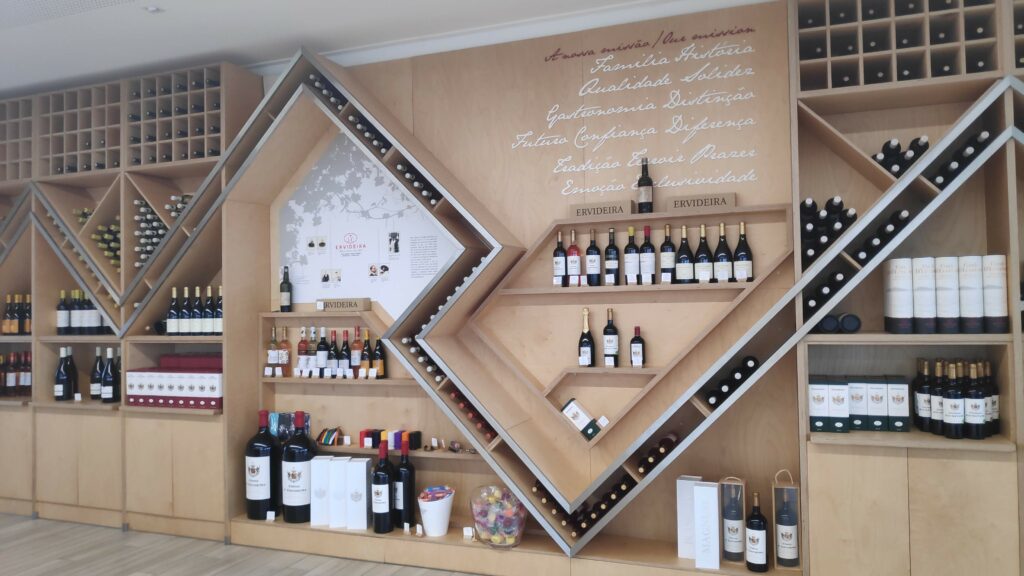
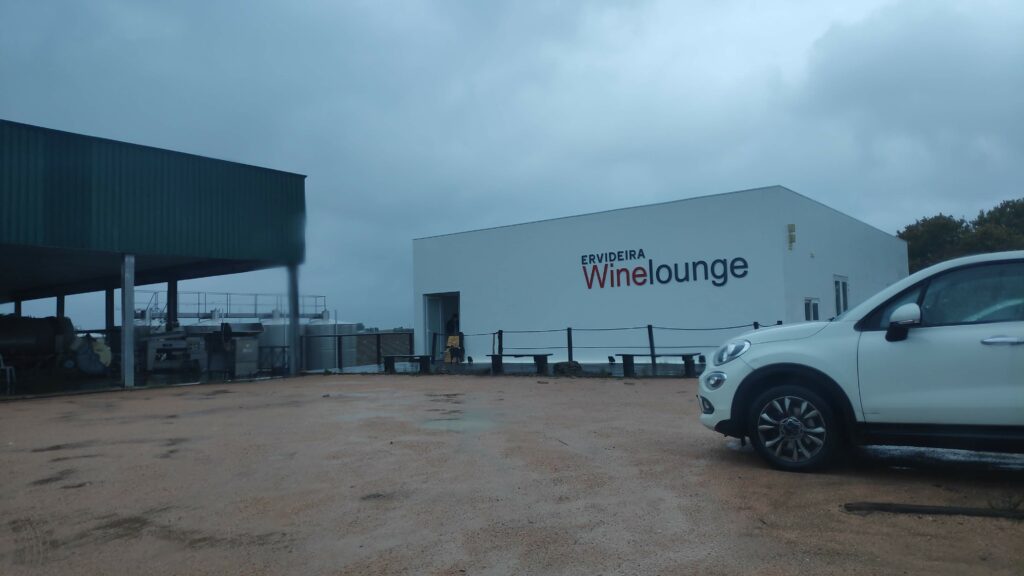
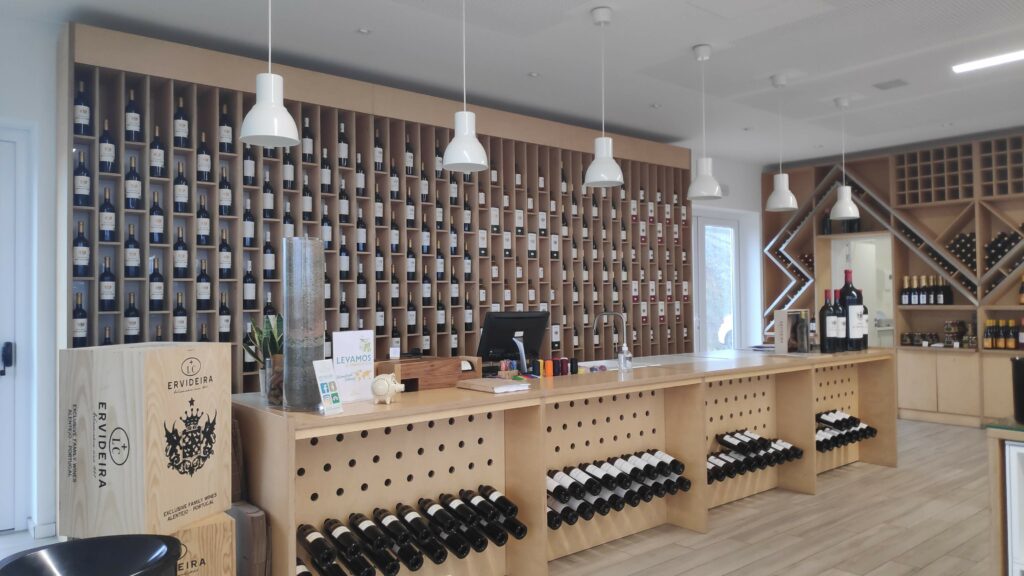
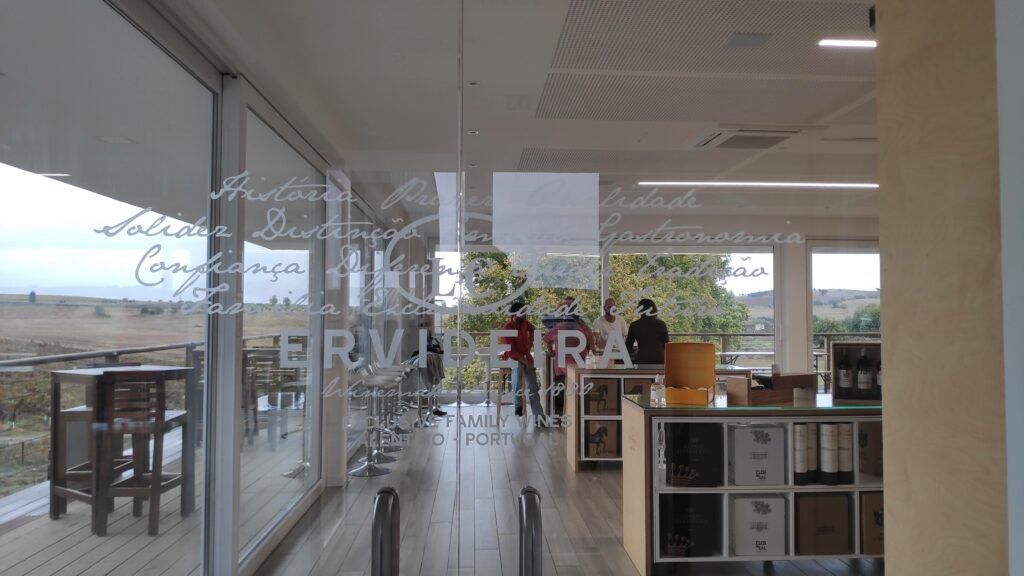
The tasting room… How can I forget? I am not sure if the proprietary consulted an interior designer or something but WOW. Just wait for that WOW. From the outside, the building looked like a huge can with the company’s name written on it. But when you go inside, it becomes just magical. Just check the images below and tell me if it is not something unique!
Surrounded by a wooden decoration, filled with wine bottles this wine cellar visitor’s door was amazing. The wooden decoration had printed on it the story of this wine family, which made it even more magical. I also noticed that there were some tables on the terrace, probably to enjoy the vineyard view on a sunny day. However, we chose a rainy day to enjoy the experience, so we stayed inside doors. Still, we watched their vineyards from inside, since all the surrounding doors were made of glass! A charming charming charming experience!
When we speak about small wine cellars, Douro Valley instantly pops to mind, Whether in Douro Valley or in smaller producers from Alentejo, what makes their products unique is the secrecy involving the wine production. Families hand the secrets of wine production from generation to generation. This makes the grapes and wines unique and considered as the family’s “secret”.


A bromance translated into unique and very special wines
Ervideira winery belongs to two brothers, which are very different from each other. But, is that bad after all? Actually, in Ervideira winery, these differences between the top decision-makers translated on to their wines, which always have very opposite wine grapes but that together, form a wonderful mix that is tasty, balanced, intense, and most of all, unique to this wine producer.
In 1980, the winery has started wine production for self-consumption. In fact, before that, the wine was distributed otherwise. Employees were not paid in money. However, they were paid with three essential things to live a good a healthy life: (1) A place to sleep, (2) Food, and of course (3) a good bottle of wine offered by your own boss as a paycheck.
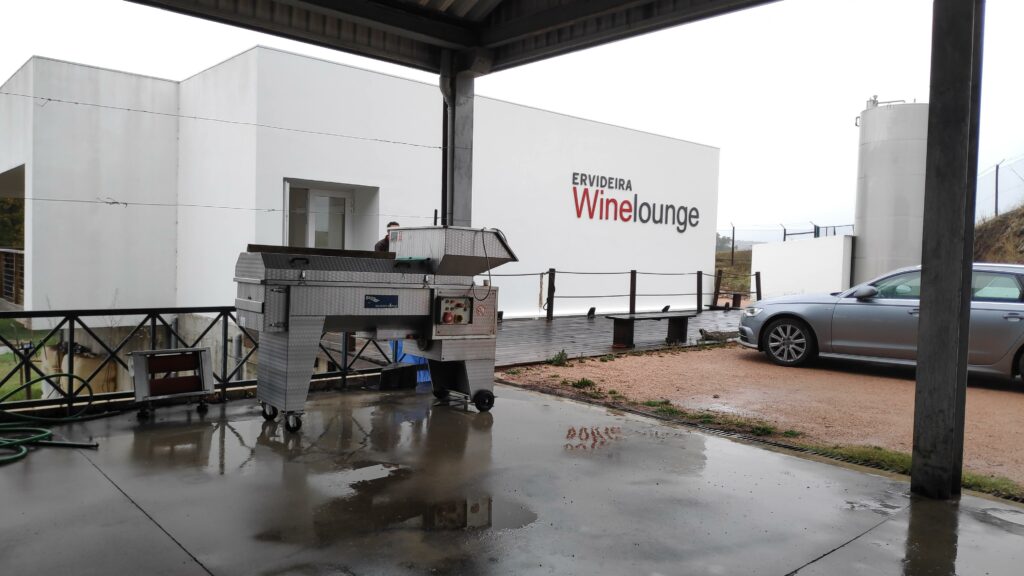
When the Ervideita brothers started their production, the harvest was done manually. However, the brothers quickly concluded that it was not productive enough to face the demand. Therefore, the harvest is now made with specific machinery that allows the grapppes to keep fresh. Some of Ervideira’s wines have been actually quite popular:
- “Flor de sal” (meaning flower of salt) is a wine completely created by both of them and that has two editions that differ according to their personal tastes of wine: Silver and Bronze.
- The entry range “Vinha d’Ervideira” shows exactly that difference between both brothers. The wine combines Antovaz and Sauvignon wine varieties which clearly shows the difference in both brothers’ tastes: Low intensity but very fruited.
- “O invisível” (meaning “The invisible”) is one of the winemaker most famous wine. It is only launched on April’s fools day, being one of the reasons why it is called that way.

The experience
The wine tasting
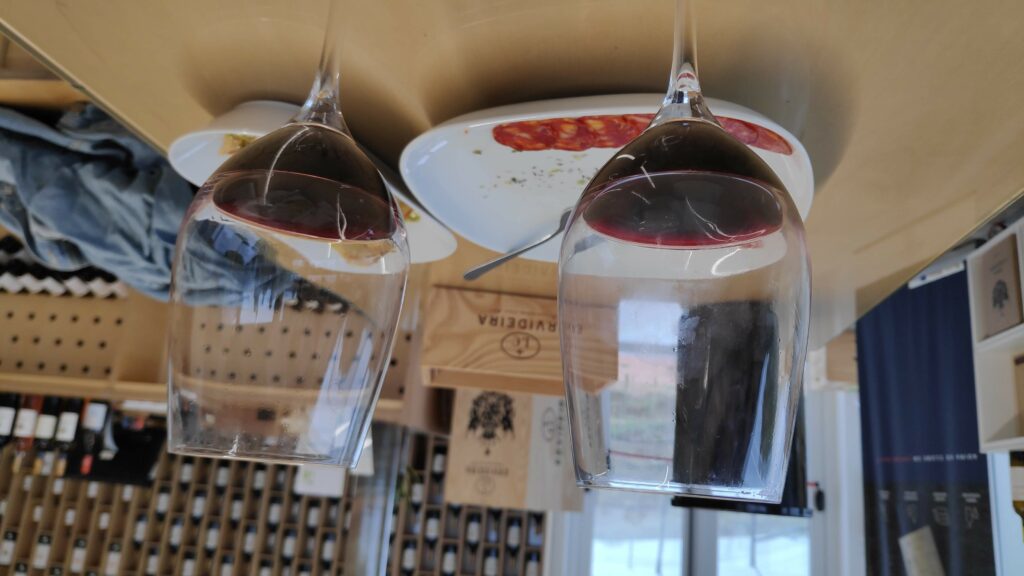
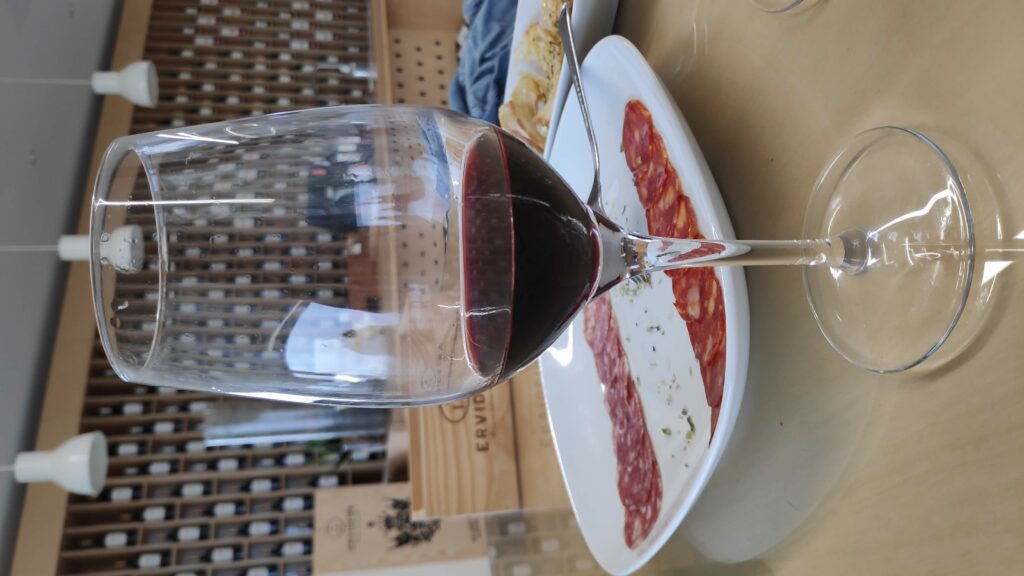
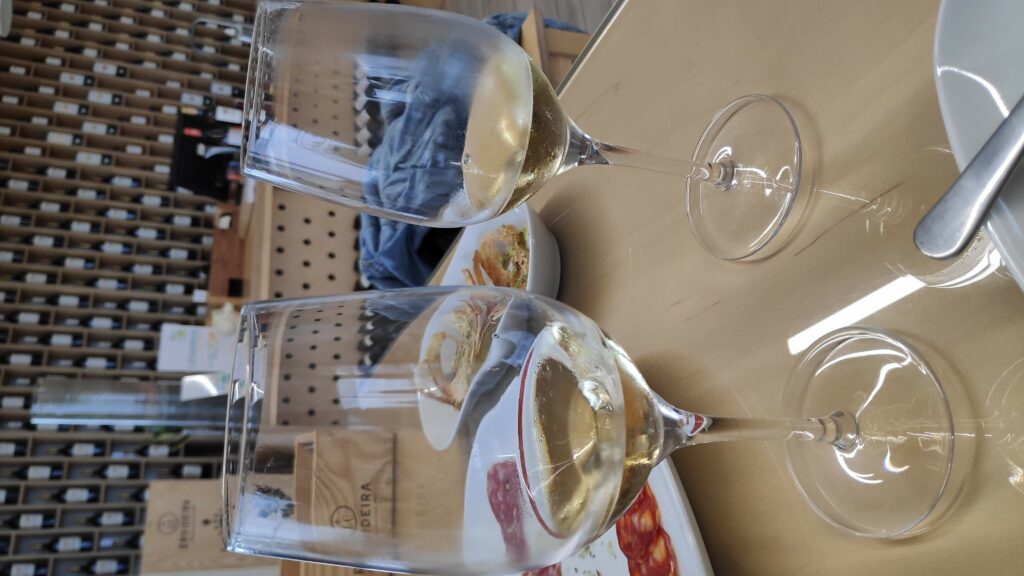
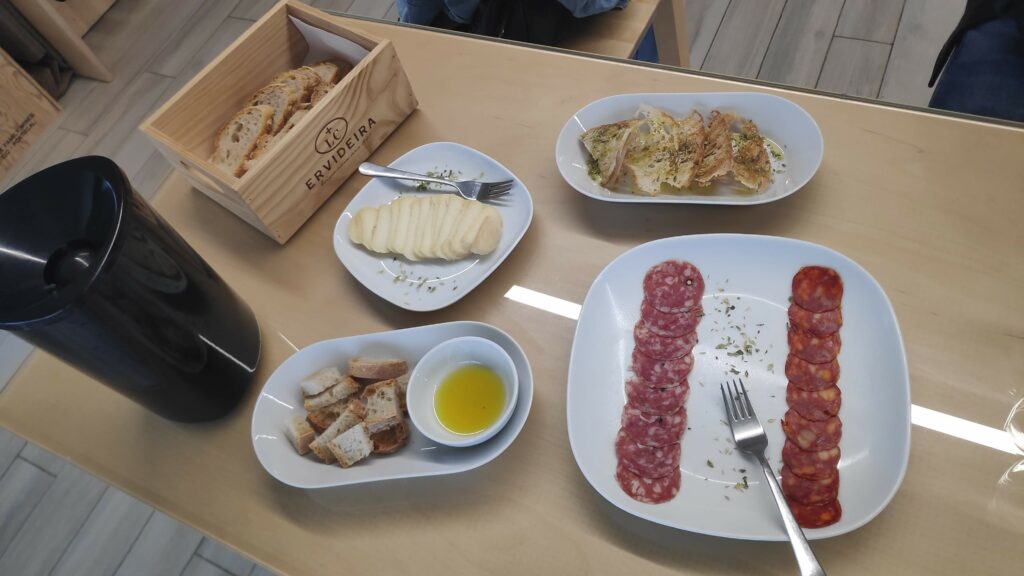
As the day was a rainy day, we started our adventure with the wine tasting, instead of traveling around the cellar and then trying the marvelous wines. Weird right? But honestly, it was very pleasant. We were able to peacefully taste regional products, such as bread, sausages, cheese, olive oil. Of course, this was all accompanied by the amazing 8 wines produced by Ervideira winery.

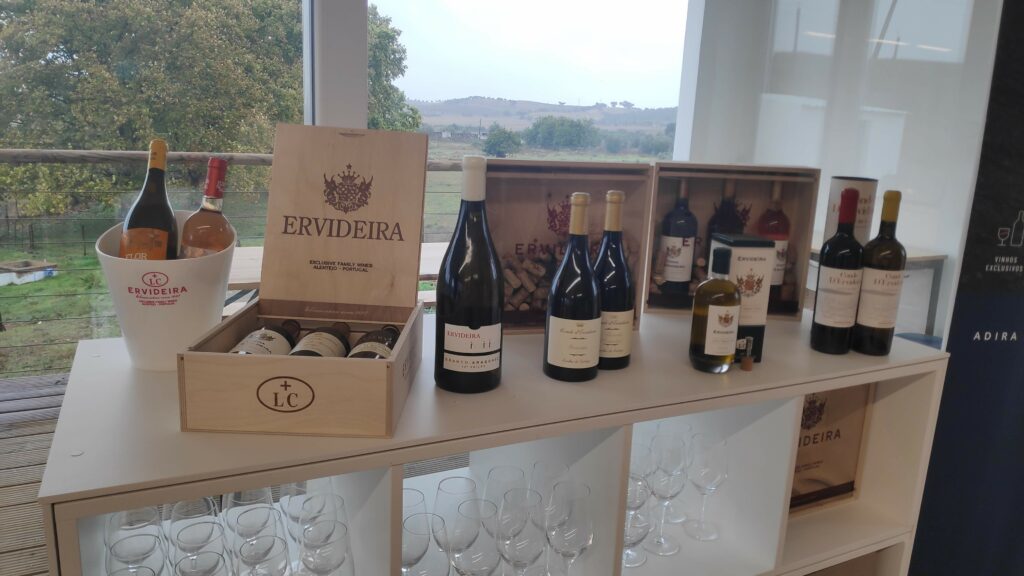
1. Flor de Sal: As said before, the wine grape varieties chosen for this wine are Aragonez and Cabernet Sauvignon. This white wine is associated with the 5th generation of wines of these producers, so they have decided to do something different, combining two pretty distinct wine varieties. Which, in my opinion, worked really well.
2. Vinha D’Ervideira white wine: This wine is associated with the 4th generation of wines, which means: It includes the best harvested grapes of the previous four years. This wine includes more Antovaz, which makes it more fruited and sweeter than the previous one.
3. Conde D’Ervideira: This wine was by far the most incredible one. But that’s respectable when you know what’s behind. The wine was 100% the choice of the in-house enologist. It is called a “Winter white wine” because it is a full-bodied, very dense wine. This wine staged during 9 months in a Hungarian oak barrel, which makes it even drier, but not too strong when flavored.
4. Vinha D’Ervideira Rosé: Why is it considered a Ros+e? The only tweak is that the wine is made with red grapes, however, it is submitted to a color extraction process that makes it less red than actual red wine. And the taste reflects that, a smooth combination between the intensity of a red wine, with the freshness of white wine. The wine grapes used were: aragonês , albrucheiro, tinta carimbada. An interesting note, that I have previously mentioned in other blog posts, is that Rosé is still very underrated as wine in Portugal. And most winemakers confirm that in every wine tourism tasting experience.
5. Vinha D’Ervideira Red wine: Likewise the white and rosé wines, this wine is part of Ervideira’s entry range. The wine is staged in oak barrels for 7 months, which is not a lot for a red one, and does not allow it to acquire the complexity it should. It is actually designed to be quite polyvalent, and adaptable to any taste. Its wine grape varieties are Alicante Bouchet, Tinta Caiada, Touriga Nacional, which make it very fruited and easy to appreciate. Which is the winery brand image.
6. Lusitano wine: This wine has almost the same composition as the Vinha D’Ervideira. However, it is much less intensive due to its stage in Hungarian oak barrels, instead of french barrels. The wine is very smooth when you drink it and taste it in your mouth, and its flavor persists even after drinking it, which is good to combine with typical Alentejo’s gastronomy that is very dense and heavy.
7. Conde D’Ervideira Reserva: The final red wine is a reserved wine that has been staged for much longer in french oak. This full-bodied wine, very intense, staged in those barrels for 12 months, which makes it much more complex than the previous ones. Due to its long time staging in oak barrels, the wine also gains more taste to the wood which makes it slightly different than the rest of the wines that were tasted.
8. Conde D’Ervideira liqueur: Similar to a Port wine, this wine is ideal for an appéritif or to taste with desserts. It is very sweet and has a slightly higher percentage of alcohol than regular wine. So, do not take too much, you may risk not being able to stand up of your chair!!
Something very interesting about Alentejo’s wine producers is that they often also produce olive oil. On the contrary of wine, olive oil must be DOP (Denomination from a Protected origin). On the contrary, wines can be both DOC and DOP.
The wine cellar visit
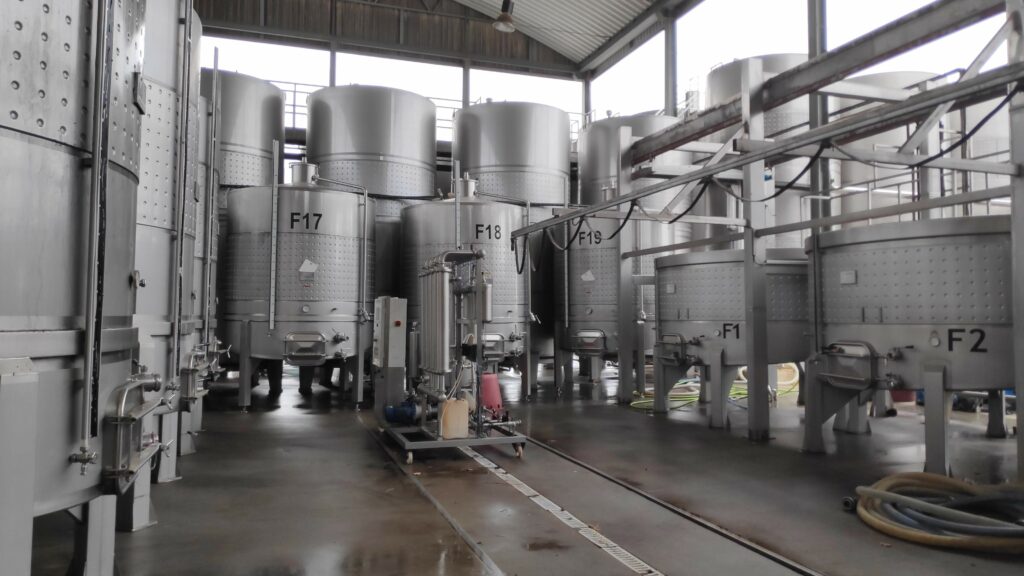
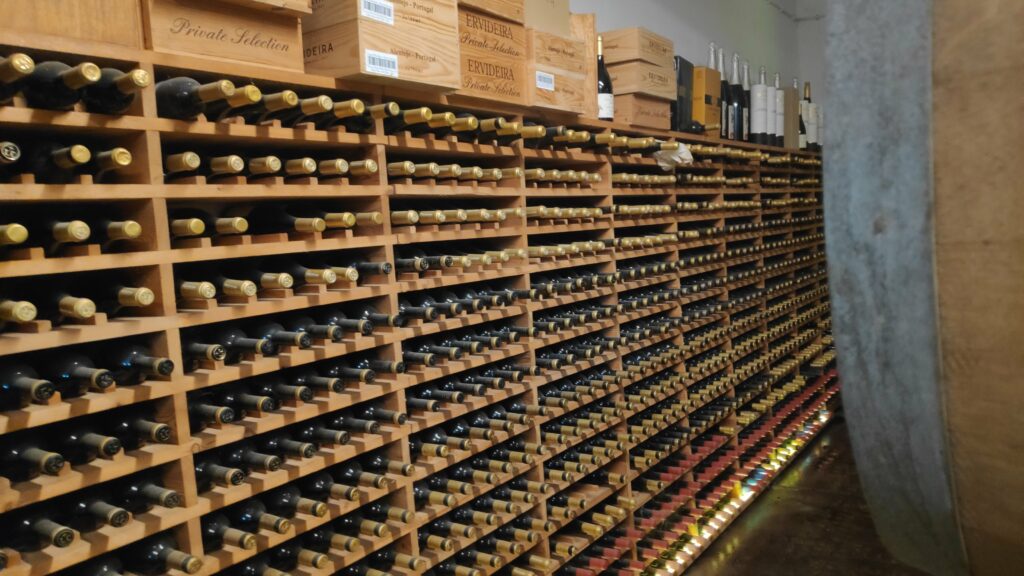
As stated before, this winery only has 110 hectares to produce wines every year. So, their winery is quite small as well. The extremely nice tour guide made us a quick tour near the big machines where the grapes are prepared and took us to the barrel room where the wines are resting.